

FutureCoal Chief Executive Michelle Manook
Unveiling the new brand logo and identity at a dedicated press conference in Delhi, FutureCoal Chief Executive, Michelle Manook, said the change responded to a call from coal and coal allied sectors to modernise, and unite under a common purpose.
The FutureCoal organisation will now open its doors representing major and strategic players across the entire coal value chain. The organisation advocates for an inclusive all fuels and all technologies international policy framework to support the sovereign rights of all coal producing and consuming nations and those nations and stakeholders which genuinely seek to support them.
“For too long our global coal value chain has allowed anti-coal sentiment to dominate and fragment us, which has resulted in a lowering of the global coal IQ. This has diminished the capacity and progress of many vulnerable developing and emerging nations, but also now we see, those of some developed nations.
“FutureCoal may seem bold to some but for many it is simply representative of the reality we are confronted with. The total contribution of coal to our modern society and the growing global population should neither be dismissed nor disregarded. Coal and more specifically, a wider definition of abated coal solutions exists and will be needed in any energy transition. This critical resource is a legitimate participant in both economic development and emissions abatement,” she said.
The FutureCoal Global Alliance will embed this transformation through Sustainable Coal Stewardship (SCS). The SCS platform allows coal-based economies like India and China and like-minded nations, and corporations to form collaborations to advance a progressive and technology and solutions led international coal value chain industry.
Ms Manook added that “The total contribution made by the coal value chain in sectors including power, steel, cement, aluminium, chemicals, and renewables infrastructure is in the order of hundreds of billions and is an interconnected global supply chain. This cannot be ignored but equally it can only be secured by our value chain acknowledging that change must occur. If we are to be responsible, then we need to be inclusive, and unite under our common purpose.
We know that we must emerge and demonstrate a modernised, innovative and technology led UNITED coal value chain, focused on continuing to make a substantial future contribution to people’s lives and livelihoods.”
Many coal producing and consuming nations, governments, industry and investors have signalled their intent to be officially associated with and join the FutureCoal global organisation.
FutureCoal Chairman July Ndlovu said, “You have asked, and we have responded. The platform for collaboration, in the best interests of our global community, now exists – in FutureCoal. The leaders of this new legacy understand that this is our responsibility to the future. That this future is before us. And that this future is now.”
Backgrounder
(1) What is FutureCoal?
The FutureCoal Global Alliance is the world’s only multi-lateral, neutral and progressive organisation representing the entire coal value chain which is dedicated to raising awareness on the significant total contribution of coal.
The Global Alliance educates on the critical resource coal and its immense and continued involvement in bettering the lives and livelihoods of our global community. The Alliance recognises that as an integrated coal value chain, we must serve to support both economic and environmental national and international ambitions.
It opens up new avenues of collaboration and unites all coal and coal allied sector stakeholders representing thermal, metallurgical, renewable supply chains and coal innovation sectors with corporate members and national industry partners based in major coal economies and markets including Australia, Botswana, Brazil, Canada, China, Colombia, India, Indonesia, Japan, Mongolia, New Zealand, South Africa, Russia, United States, and Zimbabwe.
It believes that coal, when used responsibly and sustainably, can contribute significantly to both economic growth and environmental sustainability.
FutureCoal is underpinned by Sustainable Coal Stewardship.
(2) What is Sustainable Coal Stewardship?
Sustainable Coal Stewardship (SCS) provides a pathway which supports extracting more value per tonne of coal. Value is determined and measured in both economic and environmental benefits.SCS describes an intent, approach and a broader definition of the abatement opportunities that the coal value chain has to modernise and transform their coal and allied businesses to meet and advance the needs of our global society.
SCS does not prescribe what abatement opportunities should be adopted by any nation or company. Rather it supports the right to choose and establishment of a coal ecosystem which includes options of efficiency, process improvements, health and safety, emissions reduction including carbon abatement, waste management and recycling, land rehabilitation, technology advancement and innovation.
Specifically, SCS comprises three components:
1. Pre-combustion
Pre- combustion describes the abatement opportunities available to the upstream sector in the coal value chain. These include, but are not limited to, the adoption of efficient and innovative mining processes, practices and equipment including electrification, intelligent platforms, digitalisation, waste management, recycling, dust and water management, management of surface subsidence, land disturbance and rehabilitation, methane management, renewable power, efficient coal processing, washing and beneficiation practices.
2. Combustion
Combustion describes the range of efficiency technologies which when combined support power and heat utilities to abate and capture up to 99% of emissions.
These include high-efficiency and low emissions (HELE) plants such as Ultra Super Critical (USC), Combined Heat and Power (CHP), electricity production from coal gasification (Integrated Gasification in Combined Cycle (IGCC), and co-firing coal with biomass.
These technologies can also be combined with emission mitigation technologies such as lowering SOx emissions through Flue Gas Desulphurisation (FGD), particulate matter control (through Electrostatic precipitators or ESP and bag or ESP and bag filters), low NOx systems, and carbon capture storage and utilisation and storage (CCS/CCUS).
These technologies also have broader industrial applications including steel and cement production and processing where cleaner technologies, reuse and recycling of by-products from the emission capture technologies also play an essential role, such as the reuse of CO2 for chemicals production and enhanced oil recovery.
3. Beyond Combustion
Beyond Combustion encapsulates a vision where future business opportunities expand further to transforming coal into new higher value products, such as Coal-to-Liquids (CTL), creating synthetic liquid hydrocarbons, hydrogen, methanol, and agri-chemicals most of which are being produced today. Coal and coal waste acting as a secondary resource for cementitious materials, including fly ash from power stations and slag from ironmaking blast furnaces which are valuable to the construction sector to replace cement. Critical minerals, essential for our digitised and electrified future, such as rare earth metals, which can be harvested from coal waste. Coal and waste recycling from the value chain which drives a responsible and transformative change in society, providing a source of advanced materials such as graphene and carbon fibre, while also meeting the most basic needs such as water filtration in developing regions suffering water scarcity. At the heart of Beyond Combustion is technology and innovation to provide solutions for a growing urbanised and modernised global society.
Contact Details
Christopher Demetriou+44 7739 438480
cdemetriou@futurecoal.org
Hazel Koen
+27 83 473 5468
hkoen@futurecoal.org
FutureCoal
Media@futurecoal.org
Hashtag: #FutureCoalGlobalAlliance
The issuer is solely responsible for the content of this announcement.

Services

STAKEHOLDER ENGAGEMENT
Stakeholder mapping, analysis, engagement and communication needs to be detailed to avoid business losses or even worse, a crisis. How can you do this effectively to prevent failure? ...

BUSINESS INTELLIGENCE
Data-driven business decisions have never been as crucial, especially in this era. MGBF leverages off, technology, experience and market presence to aid businesses in making accurate decisions. ...
GOVERNMENT RELATIONS
MGBF provides comprehensive strategic advice and results-focused solutions to solve clients' problems in business-government relations so they can focus on their core business. ...
BUSINESS & BROADER MARKET ACCESS
A critical business challenge is meeting the right decision-makers and potential buyers through the best channel and platform. How will you improve your business competency? ...
Upcoming Events

‘A WORKING LUNCH WITH NORDIN’: NATIONWIDE TOUR WITH TOYOTA
MGBF founding chairman Nordin Abdullah and UMW Toyota president Datuk Ravindran K. will delve into the convergence of automotive innovation and environmental sustainability in Penang, Sarawak, Johor and Pahang.

THE SOUTH CHINA SEA: A THREAT OF DISRUPTION FOR BUSINESS?
In this episode of 'A Working Lunch with Nordin', MGBF's founding chairman, Nordin Abdullah, will host this discussion focusing on the biggest threats and opportunities for businesses as we look to manage change in the South China Sea.

FOOD SECURITY IN THE BREACH: INDUSTRIALISATION AND WEAPONISATION
This MGBF Roundtable will focus on regional food security issues and trends in the regional supply chain, and trade regulations and policies, including a new geopolitical tool i.e., weaponisation of supply chains.
ASEAN’S FOOD SECURITY NEXUS 2024
This integrated event will include a forum, dedicated business matching, site visits, a gala dinner and a round of golf. Aptly themed, the focus will be on regional food security issues and trends in the context of the supply chain, agriculture technology and trade regulations and policies.
MGBF In The News
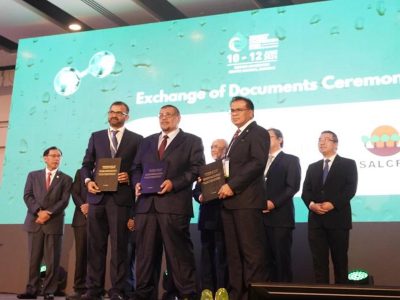
Planet QEOS, KIS BlOCNG San Bhd, and the Sarawak Land Consolidation and Rehabilitation Authority (SALCRA) have officially signed a tripartite memorandum of understanding (MoU) to establish a collaborative framework aimed at producing bio-hydrogen via the Steam Biomethane Reforming (SBMR) Process. The MoU was signed by Planet QEOS executive chairman Dino […]
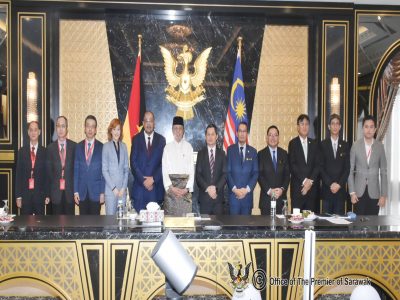
Planet QEOS and China Machinery Engineering Corporation (CMEC) are interested in investing RM10 billion to co-develop advanced Megawatt peak (MWp) agrovoltaic in Baram, to further boost Sarawak’s green energy initiative and food security. Sarawak Premier Datuk Patinggi Tan Sri Abang Johari Tun Openg was briefed on Friday by both the […]
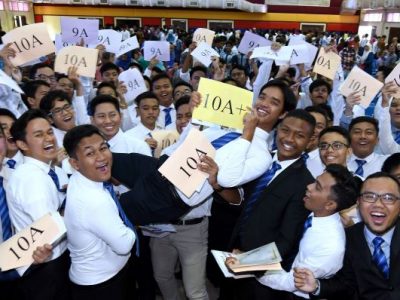
Last week SPM results came out, 373,974 aspirants who have been waiting patiently over the last few months would now know their fate. Some 10,109 have received all A’s, the golden standard of academic success and the ticket to those looking to study the “more advanced” subjects in university. Proudly, […]
The classic knee-jerk reaction is to say, fire the coach, change the leadership of associations, and reduce the funding till they start performing better. This kind of negative reinforcement may work for kindergarten children, but we are dealing with high-performance adults – individuals much further along in their psychological and […]
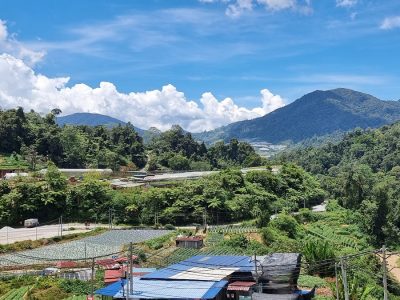
Since its earliest tea plantations in 1929, Cameron Highlands has grown to become a key player in the agricultural landscape of Malaysia, producing 40 per cent of all vegetables grown. Despite Malaysia shifting its economic focus away from agriculture, the industry remains imperative for food security and the livelihoods of […]
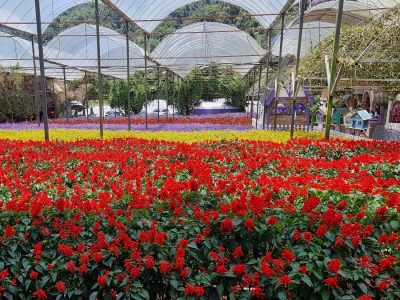
Although at first glance the travel industry and the agricultural sector appear to have nothing in common, they actually share more than meets the eye. The economic benefits of tourism to the agricultural sector can be multiplied several times over. “Tourism brings the end consumers closer to the source, which […]
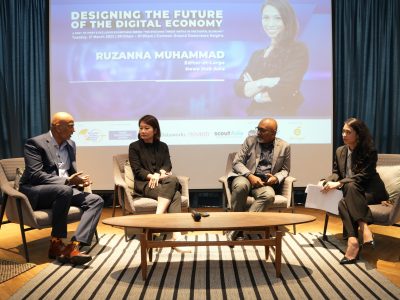
The Malaysia Global Business Forum (MGBF) recently held a high-level roundtable themed ‘Designing the Future of the Digital Economy’, attended by industry leaders and business associations. The guest of honour was Yang Berhormat Syerleena Abdul Rashid, the Member of Parliament (MP) for Bukit Bendera in Penang. The MP’s Special Session […]
The Malaysia Global Business Forum (MGBF) will be hosting a roundtable on ‘Designing the Future of the Digital Economy’ on 23 February 2023. It is the culmination of the first three MGBF Exclusive Roundtable Series titled ‘The Evolving Threat Matrix in the Digital Economy’ held throughout 2022. According to the […]
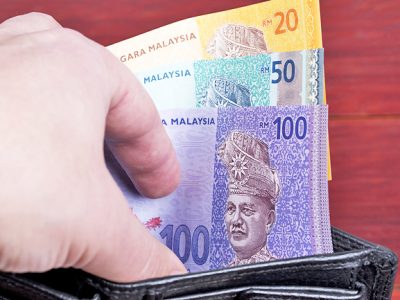
The Founding Chairman of the Malaysia Global Business Forum (MGBF), Nordin Abdullah, today spoke on Bernama TV’s leading English talk show, The Brief, hosted by Jessy Chahal, on the topic of a stable political reality and what that means for the Malaysian economy. Nordin said, “The first thing that it […]

More than 1,100 years ago, Muhammad ibn Musa al-Khwarizmi was developing the mathematical formulas that we know today as algorithms which now have become so intertwined with the business fortunes of global media giants and the very fabric of geopolitics. A series of recent high level international reports have revealed […]
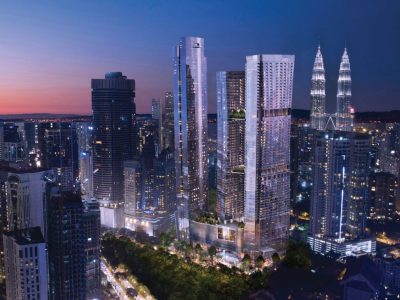
KSK Land has been recognised by the Malaysia Global Business Forum (MGBF) for its role in attracting high net-worth individuals to Malaysia post-pandemic. The first challenge in investor attraction is “selling” the country. In the context of Asia, Malaysia is competing with some very established investment destinations. The second […]
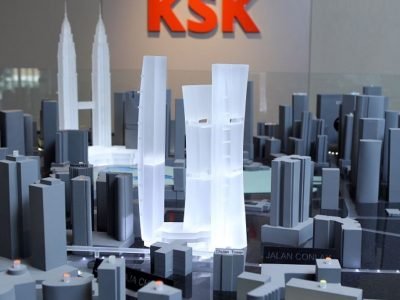
Malaysia, in particular Kuala Lumpur, continues to position itself as a regional centre to do business, educate a family and enjoy a global lifestyle. One company, KSK Land, has taken the lead in positioning itself and the city of Kuala Lumpur as a property investment destination for the global citizen […]
The upcoming budget represents an opportunity to build resilience in the critical sectors that will form the backbone of the country’s future-facing economic ambitions. This however needs to be achieved in the context of managing the community sectors most impacted by COVID-19 over the past two years. The Keluarga Malaysia (Malaysian Family) […]

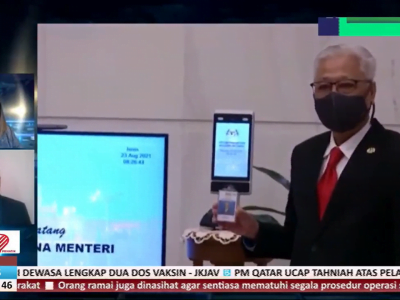

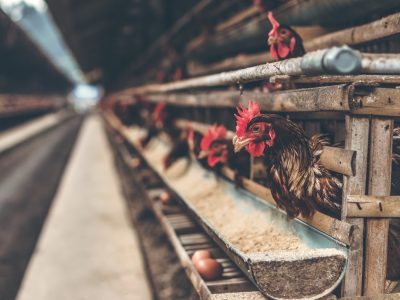
KUALA LUMPUR, 6 July 2022 – As the global economy continues to deal with unprecedented levels of disruption caused by the pandemic and the conflict between Russia and Ukraine, the convergence of energy security and food security issues has become a front-of-mind issue faced by policy makers and consumers alike. […]

KUALA LUMPUR, 23 June 2022 — Malaysia Global Business Forum (MGBF) ties up with scoutAsia to ensure that businesses are equipped with deeper regional insights. The past two years has seen a massive shift in the way businesses are conducted with digitisation, digitalisation and automation continuously being adopted to improve […]
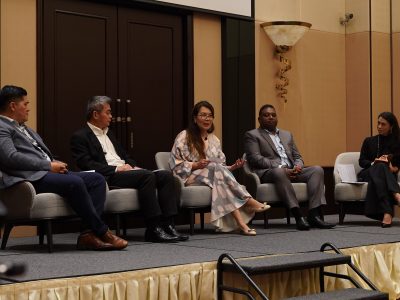
KUALA LUMPUR, 25 May 2022 – The Malaysia Global Business Forum (MGBF)’s exclusive roundtable on ‘Security Concerns in Critical Value Chains’ was held in a hybrid setting yesterday at the Eastin Hotel Kuala Lumpur. The guest of honour was Yang Berbahagia Tan Sri Dato’ Seri Rafidah Aziz, former minister of […]